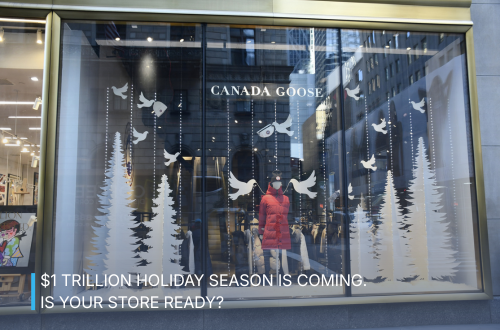
U.S. retail sales are on pace to break $1 trillion for the first time this holiday season – a 4.5% jump year over year, according to Bain & Company. Online sales are expected to rise 9%, while in-store sales grow 2.5% – even in an e-commerce first world. (Retail Dive) Much of that growth isn’t coming from a surge in new store visits. Inflation will account for over half of that spending increase, which means shoppers are watching every dollar. That puts even more pressure on retailers to create a storefront experience that captures attention and builds confidence from the very first impression.
In a $1 trillion holiday season driven largely by higher prices rather than dramatically higher traffic, retailers can’t afford disconnected experiences. Every touchpoint must work together to earn attention, build trust, and keep shoppers engaged.
Shoppers aren’t necessarily buying more. In many cases, they’re paying more for the same things, and they know it. That makes them more deliberate, price-aware, and selective about which stores earn a second look.
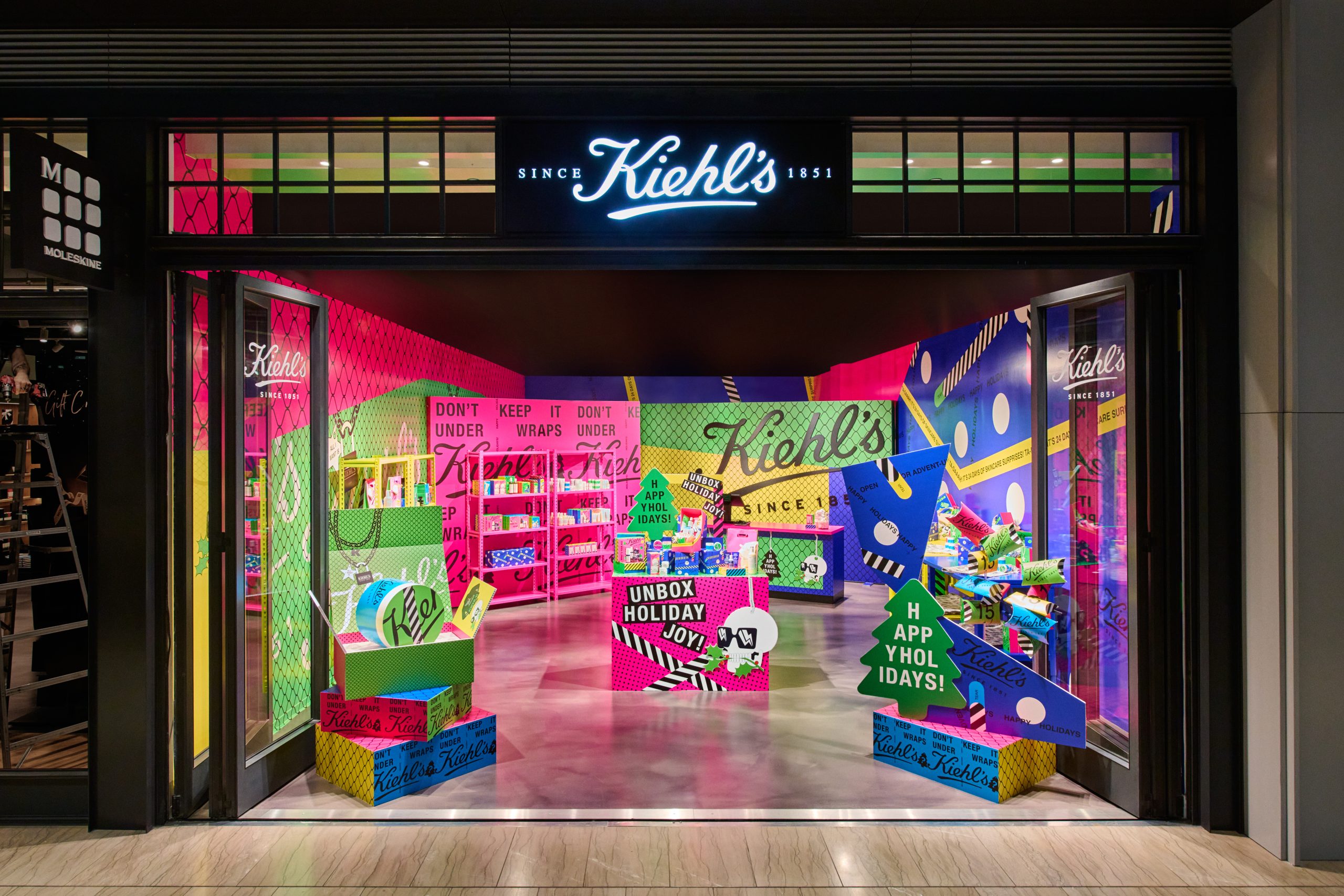
This is where the real competition happens, not in the aisle, but at the door. The brands that create confidence quickly and consistently have the advantage. Nearly 84% of consumers say signage directly impacts whether they choose to enter a store, and 93% say it plays a role in whether they remember the experience afterward. (Harris Poll, 2026) Nearly four in ten shoppers say they’ve walked into a business solely because a sign caught their attention.
For retailers, the challenge isn’t creating a single standout moment. It’s creating a consistent one. A compelling window display loses impact if the in-store messaging doesn’t align. Digital content, signage, graphics, and fabricated elements should reinforce the same story at every touchpoint. Shoppers don’t experience those mediums separately.
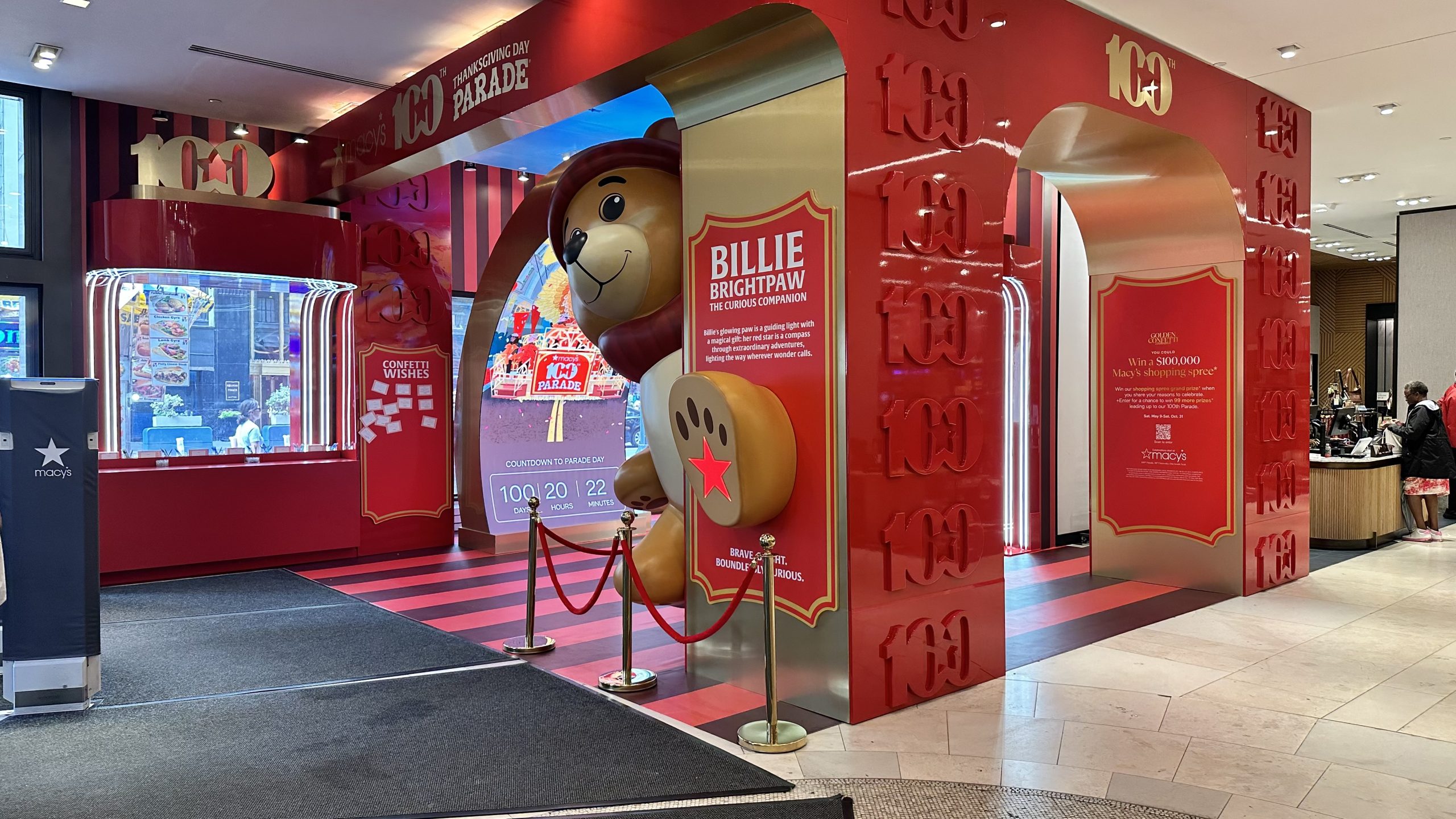
That’s where an integrated approach matters. Whether it’s print, digital, fabrication, or all three working together. Shoppers experience the store as a whole. This season, every inconsistency between those touchpoints creates friction. Every alignment builds trust. As holiday spending climbs and traffic remains competitive, the retailers that treat the store as a connected ecosystem, rather than a collection of individual marketing elements, will have the advantage.
In a season where budgets are tight and options are endless, a storefront that fails to make its case in the first few seconds simply doesn’t get considered. That’s the shift worth paying attention to as spending grows, the margin for a forgettable storefront shrinks. The retailers who stand out this season won’t necessarily be the ones who spend the most, they’ll be the ones whose customer experience feels the most cohesive from first impression to purchase.
Consistency matters beyond the storefront, too. Getting shoppers through the door is only half the equation. Once they’re in, the environment does the rest of the work. Time spent in a space correlate directly with spend – even a 1% increase in dwell time can lift revenue by roughly 1.3%, and experience-led retail strategies that keep shoppers engaged can lift sales by up to 7%. (Path Intelligence) A well-designed environment earns more than just a visit, it earns a bigger basket because a shopper who lingers, explores, and feels something is a shopper who buys more than they planned to.
Holiday production doesn’t require a summer lead time to make an impact. A sharp window display, a refreshed in-store sign package, or a digital screen update can be designed, produced, and installed in weeks, not months.
At Duggal Visual Solutions, we handle the full arc: creative concepting, production, and installation, all under one roof. We can plug in exactly where you need us. We’re your team to help you turn a $1 trillion opportunity into foot traffic for your stores.
Let’s build your holiday momentum together. Chat with our team before the season passes you by.